
Choosing a thread-lifting clinic: advice after three disappointing treatments
"I've had Ultherapy and thread lifts, but I can't really tell the difference." "I've spent all that money. Why am I the only one not seeing results?" "What should I have this time?"
I often hear these comments from people visiting their third clinic.
To be frank, choosing the next procedure often does not solve the problem. If changing devices were enough, you would probably already have improved.
I do not start by recommending a new treatment for these patients. I first ask about previous treatments: what they had, how many times and at what intervals. That history is the most useful information for today's assessment.

Why can choosing a device name first lead you astray?
Some people ask, "Isn't Ultherapy the strongest device?" My answer is that there is no single strongest device, only a device suited to your face. Ultherapy, Thermage FLX, Sofwave and ONDA are all good devices, but their mechanisms and treatment depths differ. Ultherapy uses focused ultrasound to deliver energy near the fascial layer, approximately 4.5mm beneath the skin. Thermage FLX broadly stimulates dermal collagen with radiofrequency, while Sofwave targets a shallow layer around 1.5mm in the upper dermis. ONDA acts on the fat layer. The same device cannot be an equally appropriate answer for sagging cheeks, fine lines and excess thickness under the chin. If you chose treatment by the device name first, the order was reversed. Diagnosis comes first; the device follows. You may then ask, "Couldn't I just combine several devices?" Some faces certainly benefit from a combination, but that too must start with diagnosis. If sagging originates in the supporting structures, treatment of deeper layers becomes central; if the problem is surface skin elasticity, shallower treatment takes the lead. Deciding what is primary and what is complementary is planning, and that is only possible after examining the face.
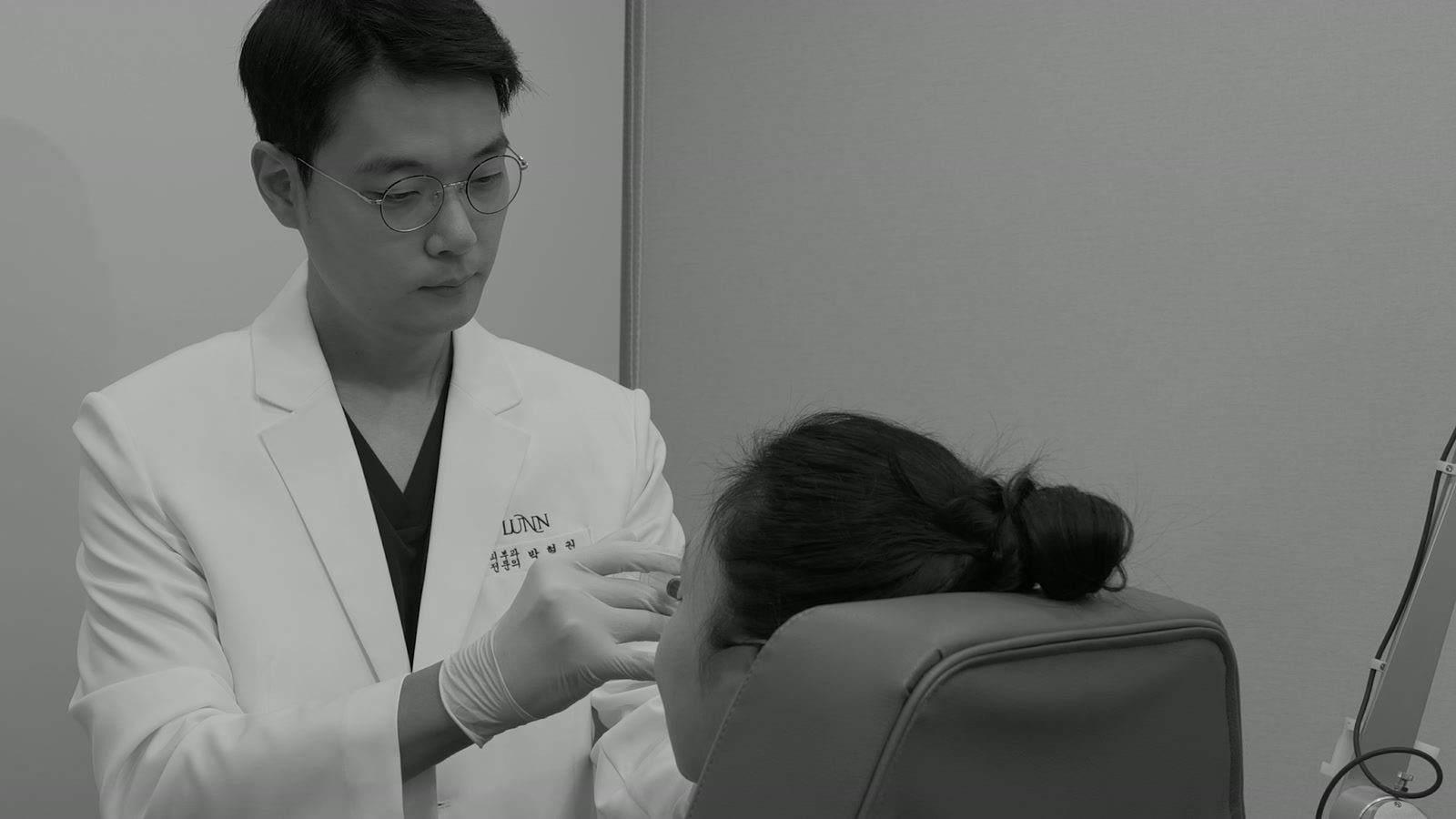
What changes when diagnosis is skipped?
I am often asked, "Isn't sagging all the same?" Even when it looks similar, the causes vary. The approach is completely different depending on whether the face is hollow from lost volume, has descended because supporting structures have loosened, or has reduced elasticity in the skin itself. The same applies to pigment: whether it is melasma or other dark spots, and whether it lies superficially or deeply, should change even the settings of the same laser. Following a popular procedure without diagnosis can produce disappointing results even when the procedure itself is performed flawlessly. I therefore spend more time observing the face and narrowing down causes during consultation than talking about procedures. Some days, I recommend going home after consultation without treatment. Receiving the right procedure in the right order is ultimately faster than having something done today. I mention order for a reason. For someone concerned about both pigmentation and sagging, recovery and results can vary with the sequence and intervals used to address them. Diagnosis determines not only what to have, but what to have first.

Why is treatment only half the work if it ends on the day?
"Isn't it enough to have the procedure performed well?" That is only half right. Treatment does not end on the treatment day. Without checking the skin immediately afterward, following recovery over 2–4 weeks and adjusting the next plan to the response, the outcome can easily fall short. This is particularly true of lifting procedures that stimulate collagen regeneration, whose effects develop gradually. How your skin responded last time is the best information for planning the next procedure. Some skin responds strongly to the same energy, while other skin responds more gradually. After identifying that difference, we adjust the next session's intensity, interval or sometimes the device itself. Without accumulating those observations, every session is effectively a new start: treatment numbers increase while planning accuracy stays unchanged.
Why does one doctor handle the whole process?
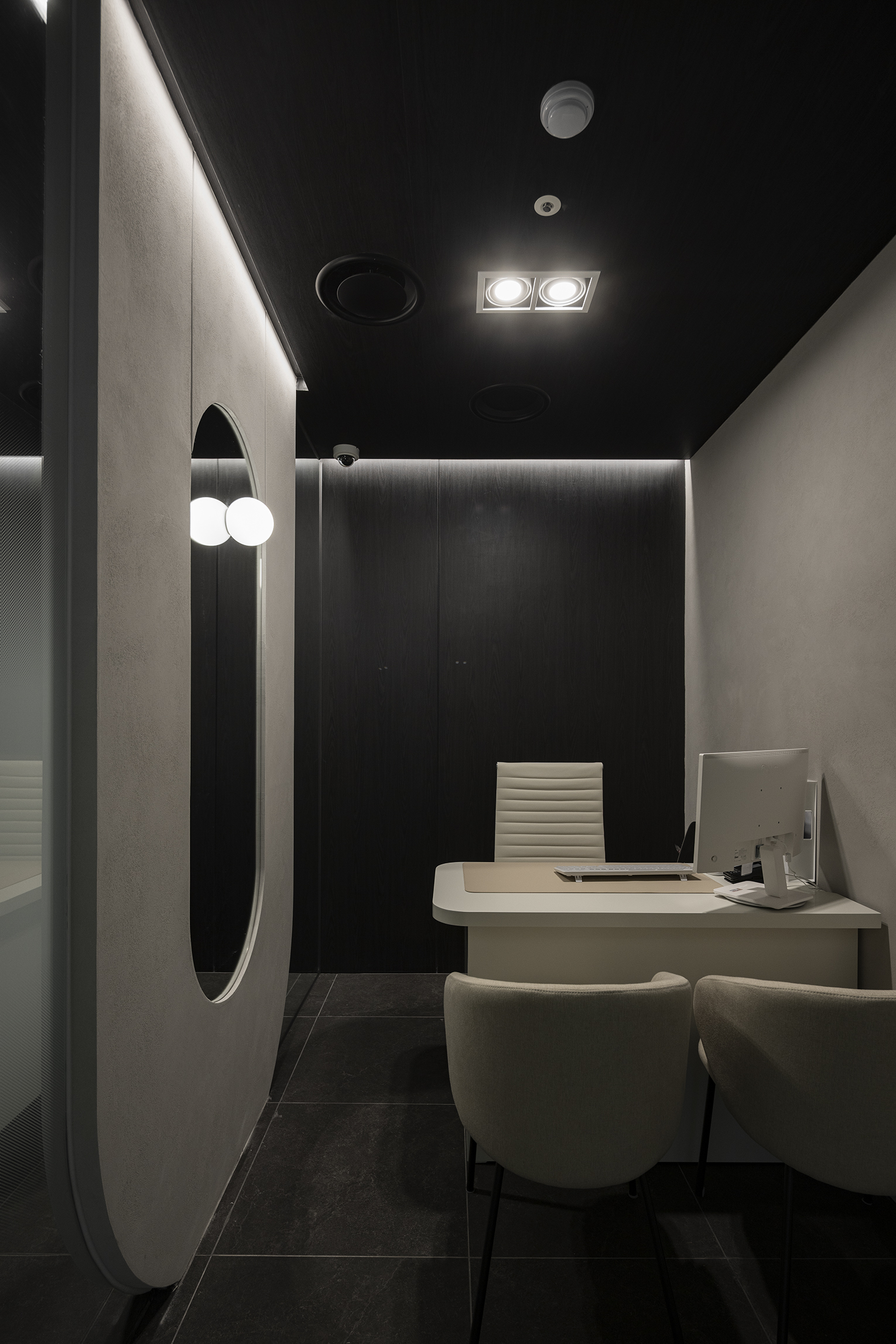
At LUNN, one person is responsible for these three stages. I personally handle consultation and diagnosis, treatment and follow-up. I believe subtle judgments can be lost between consultation and treatment if different people perform them. The facial characteristics observed during consultation should carry through directly to the hands performing the procedure. This is also why we have several devices, including Ultherapy, Thermage FLX, Sofwave, ONDA and PicoWay: to select the device that fits the diagnosis, rather than to promote a particular device. Care takes place privately in individual rooms, so please feel free to ask all your questions. We are a one-minute walk from Exit 4 of Apgujeong Rodeo Station, and some people stop in for a lifting consultation during lunch. Parking and valet service are available, as is multilingual assistance for international patients. Rather than expanding our scale, LUNN has chosen to protect the time devoted to each person's face.
When choosing a practice for thread lifting, I recommend checking just this: can they explain why this procedure is appropriate for you today? If they choose a procedure before offering an explanation, a fourth clinic may leave you in the same position.
Related column: Ultherapy vs. Thermage: how do they differ, and do you need both? Related information: Meet the doctor · Lifting and tightening lasers


