
Onda lifting in Seoul: who it suits, how a Cheongdam visit works, and aftercare
If you are looking into Onda lifting in Seoul, the first question is not which device to book but why your jawline or lower face has lost definition: fat, sagging, or both. Onda uses microwave energy that acts on the dermis and the fat layer together, so I mainly consider it for people who have localised fat with mild to moderate sagging. At LUNN Clinic in Cheongdam, I make that distinction myself at consultation, and I also carry out the treatment and the follow-up.
Many people who search for Onda lifting in Korea are planning a short stay, so this page follows the order of an actual visit: what the device does, who it suits, what is decided at diagnosis, what to check before booking, and how to look after your skin while you are still travelling. For treatment intervals and double chins in more depth, I link to separate columns rather than repeat them here.
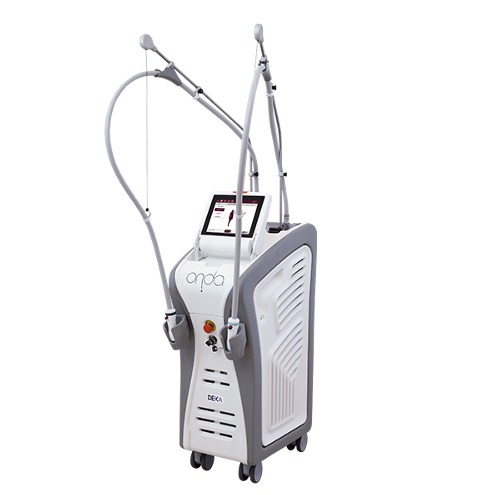
What is Onda, and how does it work?
Onda delivers 2.45 GHz microwave energy down to the fat layer beneath the skin. While its Coolwaves™ system keeps cooling the skin surface, the energy works on the dermis and the fat layer at the same time. The aim is to reduce unwanted volume and improve firmness. It is better understood as a treatment that triggers changes in fat cells and lets the body deal with them, rather than one that "burns" fat away.
One point I always make clear: Onda is not a weight-loss treatment. It is used to refine the contour of a local area, such as the jawline or the area under the chin.
Lifting devices differ mainly in the layer their energy reaches. LUNN has four, and this is how they divide the work:
| Device | Main layer | Usually considered first for |
|---|---|---|
| Onda | Dermis and fat layer (microwave) | Local fat together with mild sagging |
| Ulthera (Ultherapy) | Around the SMAS (fascial layer), up to 4.5 mm (focused ultrasound) | Deeper sagging |
| Thermage FLX | Broadly across the dermis (radiofrequency) | Loss of dermal firmness, skin texture |
| Sofwave | Dermis at 1.5 mm | Dermal collagen, fine lines |
The question is not which device is "better" but which layer your concern sits in. I explain the difference between Ulthera and Thermage in Ultherapy or Thermage: what is different?.
Who is Onda lifting suitable for?
I tend to consider Onda first for people who:
- are not overweight but have localised fat under the chin or along the jawline;
- have mild to moderate sagging alongside that fat;
- would rather avoid surgery or treatments that need a recovery period.
There are also cases where Onda alone is unlikely to meet expectations: when there is a large amount of fat, or when the sagging comes from deeper structures beneath the fascia rather than from the skin. Liposuction remains the standard for reducing local fat, and if sagging itself is the main problem, I discuss devices aimed at other layers, such as Ulthera or Thermage, before Onda. Recommending a treatment is the easy option for a clinic, but telling you in advance when it does not fit is more useful to you.
I go into double chins in more detail in Onda lifting for a sagging double chin.
What is decided at the diagnosis?
Whether Onda is the right choice is decided in the examination room. I do not judge a face by sight alone. I examine it by touch and look at it with the head raised and lowered. Three things guide me:
- Thickness when pinched. Where fat has built up, the tissue under the chin feels thick between the fingers.
- The path of sagging. If tissue has clearly slid down from the cheeks and the nasolabial area, sagging plays a larger part.
- How the skin springs back. If the skin returns slowly after a light press, reduced dermal elasticity is involved as well.
From this, three decisions follow. First, whether the problem is fat, sagging or both. Second, which layer needs treatment: the fat layer, the dermis or the fascial layer. Third, whether Onda should take the central role or share the work with another device, and how many sessions at what interval.
Depending on your condition, Onda is usually planned as several sessions spaced about two to four weeks apart, and the number is adjusted as we watch how your skin responds. More frequent sessions do not make the change come faster. I discuss intervals further in Onda lifting intervals: is more frequent better?.
How does an Onda visit at LUNN go?
- Consultation and examination. I see you myself in a private room and examine your face to separate fat from sagging. I also ask about any medication you take and any medical conditions.
- Planning. We agree on the layer to treat, the device or combination, and the number and spacing of sessions. I explain the reactions to expect and how results vary between people.
- Treatment. Energy is delivered to the dermis and fat layer while the skin surface is cooled.
- Check straight after. As the doctor who treated you, I look at your skin immediately afterwards and give aftercare advice based on that day's reaction.
- Follow-up and next session. Most people begin to notice a gradual change from around four weeks, though the degree and timing vary. We decide the next session and any combination based on your response.
What should I check before booking?
- Does the clinic distinguish fat from sagging by examination? Two jawlines that look alike in photographs often feel completely different under the fingers.
- Who does the consultation, the treatment and the follow-up? At LUNN, I do all three.
- Can you fit in several sessions? It helps to plan around sessions two to four weeks apart.
- Is there anything to tell us in advance? If you take anticoagulants (blood thinners), have scars, tattoos or structural abnormalities in the area, or have thyroid disease, we need to discuss this carefully before treatment.
- Are you planning a big change in weight? Rapid weight change can upset a contouring plan, so I recommend keeping your weight fairly stable during the treatment period.
What should visitors from abroad plan for?
If you are coming to Korea for a short stay, two points matter most. Onda is usually planned over several sessions, and the change appears gradually over weeks, not on the day of treatment. Please tell us at consultation how long you will be in Seoul and when you might be able to come back, so we can discuss sessions and spacing that fit your travel. I will also tell you what can and cannot be done within a single visit.
For the days after treatment, LUNN's aftercare guidance for lifting lasers applies:
- Avoid saunas, jjimjilbang (Korean bathhouses), swimming and strenuous exercise for at least one week.
- Avoid alcohol and smoking for at least two weeks to support recovery.
- Make-up is fine on the day of treatment, but skip scrubs and peels.
- Your skin may feel dry, so reapply moisturising and repair creams often, and always wear sunscreen when you go out.
- Do not apply ice packs on your own. Whether cooling is needed should follow the advice of the doctor who treated you; Onda also uses heat energy, so the same principle applies.
LUNN Clinic is on the 5th floor of 85-2 Cheongdam-dong, Gangnam-gu, Seoul, 137 m from Exit 4 of Apgujeong Rodeo Station, about a one-minute walk.
What reactions can happen after Onda?
After Onda there may be temporary redness, warmth, swelling and tenderness to the touch. Occasionally a small firm lump (nodule) can be felt under the skin. Most settle naturally within a few months, but very rarely one lasts longer, so it should be monitored. Depending on your skin, bruising, swelling or redness may last around three to four weeks. If a temporary breakout appears, it is managed with ointment or oral medication after an examination. If you have severe pain or marked discomfort that does not settle, please contact the clinic and come in. If questions come up after treatment, we will check them with you individually.
Frequently asked questions
Q. Will Onda make me lose weight?
No. It refines the contour of a local area such as the jawline. It does not change body weight.
Q. Is one session enough?
It is hard to promise a large change from a single session. Several sessions about two to four weeks apart are typical, and the plan is set after examination.
Q. Does it hurt?
Clinical reports describe the pain as relatively low, but how much you feel depends on the person and the area.
Q. Can Onda be combined with Ulthera or Thermage?
When fat and sagging coexist, we discuss dividing the roles between devices. Rather than doing everything at once, I prefer to leave several weeks between treatments and check the response to the first before moving on.
Q. Is the clinic close to Apgujeong?
Yes. It is 137 m from Exit 4 of Apgujeong Rodeo Station.
When choosing Onda lifting in Seoul, the deciding question is not the device name but which layer your concern lies in. Any clinic that makes that distinction for you by examination is a reasonable place to start.
Results and recovery vary between individuals. Temporary redness, swelling, warmth or nodules may occur after treatment, and very rarely they last longer. Under Article 56 of Korea's Medical Service Act, you can request detailed information about risks before treatment. This column provides general medical information and does not replace an in-person consultation.
Dr. Park Hyungkwon, board-certified dermatologist and medical director, LUNN Clinic
Related reading: Onda lifting intervals: is more frequent better? · Onda lifting for a sagging double chin · Ultherapy or Thermage: what is different? · Lifting and tightening lasers · Aftercare after lifting lasers


