
Sofwave in Seoul: who it suits, how a visit at LUNN in Cheongdam works, and aftercare
If you are looking into Sofwave in Korea, the first thing to establish is not the device but which layer of your skin the sagging starts in. Sofwave delivers parallel-beam ultrasound evenly to the mid-dermis, at a depth of about 1.5mm, so it is mainly considered for mild to moderate laxity, skin texture and fine lines. At LUNN Clinic in Cheongdam, Seoul, I examine your skin myself, tell you whether Sofwave fits, whether it should share the work with another device, or whether it is too early, and then carry on through treatment and follow-up.
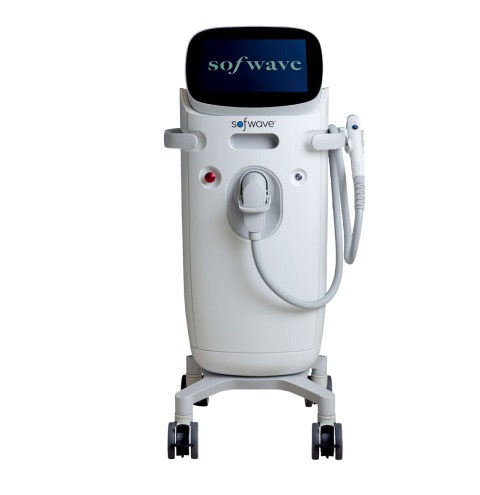
I have already written about how Sofwave works and what the studies say in Sofwave: how it works, results and how long they last. This article is about the next step: what you should know before you actually book Sofwave in Seoul, especially if you are travelling from abroad for a short stay.
Who is Sofwave a good fit for?
Sofwave works in the mid-dermis. Instead of focusing ultrasound energy onto a single point, it spreads the energy in parallel beams across one depth. That makes it less of a tool for lifting the deep muscle-fascia layer (the SMAS) and more of a tool for encouraging the dermis to regenerate collagen and elastin, which in turn helps firmness and texture. The device also uses a cooling function called SofCool to reduce heat stimulation at the surface.
In my practice, there are four situations in which I tend to consider Sofwave first:
- People with thin skin, for whom energy aimed at deeper layers may be a burden
- People who have put off lifting treatments because they are sensitive to pain
- People who want to look after dermal elasticity before pronounced sagging develops
- People who also want to treat thin-skinned areas such as the eye area or forehead
Because the energy is not affected by melanin, Sofwave can also be applied relatively broadly to people with darker skin tones. For many visitors from abroad, this is one of the first questions they ask.
On the other hand, if sagging is already well advanced, or there is a lot of loose subcutaneous fat, Sofwave on its own may not give you the change you are hoping for. In that case I will say so honestly and talk about dividing the work with a device that reaches deeper layers, or about another approach. I explain why I sometimes advise against Sofwave even when someone asks for it in Sofwave: 4 situations when a doctor may advise against it.
| Device | Main layer | Usually considered for |
|---|---|---|
| Sofwave | Mid-dermis (about 1.5mm) | Texture, fine lines, mild to moderate laxity |
| Thermage FLX | Heat spread fairly widely through the dermis | Dermal firmness, texture |
| Ultherapy | Down to the SMAS, with 1.5, 3.0 and 4.5mm tips | Structural sagging in deeper layers |
These three are not better or worse versions of each other; they look after different layers. LUNN has Ultherapy, Thermage FLX, Sofwave and Onda, so there is no reason for me to steer a consultation towards one particular device. You can read more about the layer differences in Ultherapy vs. Thermage: how do they differ, and do you need both?.
How does a Sofwave visit at LUNN work?
At LUNN in Cheongdam, I handle the consultation, the treatment and the aftercare myself. A visit usually follows these steps:
- Enquiry and booking. Call the clinic on +82-2-512-7788 to arrange a date. If you have had a lifting treatment or another procedure recently, telling us in advance makes the consultation smoother.
- Examination. In a private consultation room, I check your skin thickness, where and how much the skin is sagging, the amount of fat, and how sensitive you are to pain, using both my eyes and my hands. We only talk about devices after that.
- Planning. I explain whether Sofwave alone is right for you, whether it should be paired with a device that treats another layer, or whether you do not need treatment yet, and why. I also go through the reactions you can expect and how much results vary between individuals.
- Treatment. Sofwave is performed with cooling. Depending on the area and extent, it is often finished within an hour.
- Immediate check and aftercare guidance. The person who treated you looks at your skin straight afterwards and gives you aftercare advice that matches how your skin reacted that day.
- Follow-up. Collagen regeneration is gradual, so we look at the change together over weeks to months.
Pain varies from person to person. In published studies, average pain scores ranged from 4 to 7 out of 10, and air cooling is usually used during treatment to reduce discomfort.
What should I check before booking Sofwave in Seoul?
There are many clinics with lifting devices around Cheongdam and Apgujeong. Rather than starting with the device name, I suggest checking these five points:
- Is the layer of sagging diagnosed? Whether Sofwave suits you should depend on which layer the sagging starts in, not on a preference for less pain.
- Who performs the treatment, and who sees you afterwards? When a question comes up after treatment, it matters who you can ask.
- Would you be told "you do not need this yet"? There is no reason to rush treatment on skin that shows no signs, just because it is called prevention.
- Are side effects and limits explained beforehand? You should hear about temporary redness and swelling, the possibility of rare side effects, and the fact that large long-term studies are still lacking, before you decide.
- If two treatments are combined, how is the interval set? When both layers need attention, I prefer to leave an interval of several weeks and check the reaction to the first treatment before moving on, rather than doing everything at once.
How should I plan my trip around Sofwave?
If you are staying in Korea for a short time, think about two things together: when changes are likely to appear, and what to avoid while you are here. The table below is based on LUNN's aftercare guidance for lifting lasers and on the published studies.
| When | What to know |
|---|---|
| Treatment day | Makeup is fine, but avoid exfoliating scrubs and peels. Temporary redness and swelling are the most commonly reported reactions and generally tend to settle within a day. |
| First week | Avoid saunas, jjimjilbang (Korean bathhouses), swimming and strenuous exercise for at least one week. If a bathhouse visit is on your itinerary, plan it before treatment. |
| First two weeks | Avoid alcohol and smoking for at least two weeks, as they dilate blood vessels and impair circulation. |
| Around one month | In one study, the depth of the nasolabial and marionette areas tended to decrease from around this point. |
| Two to three months | Collagen regeneration is known to develop gradually over several weeks to two or three months. Much of the change may appear after you have returned home. |
For a fairer comparison than the mirror, take a front-facing photo in the same lighting before treatment and again two to three months later. Depending on your skin type, bruising, swelling or redness can sometimes last for three to four weeks, so if you have an important event soon after treatment, please mention it during the consultation.
How should I look after my skin after Sofwave?
- Skin can feel dry after treatment, so apply moisturiser and a barrier-repair cream often, and always use sunscreen when you go outdoors.
- Sofwave also uses heat energy to encourage regeneration, so I do not recommend putting ice packs on your face out of habit without guidance from the clinic. I will tell you straight after treatment whether your skin needs calming.
- Temporary breakouts or irritation can occur depending on your skin. After an examination, this usually settles quickly with a prescribed ointment or oral medication, so please contact us if it happens.
- If you have severe pain or significant discomfort that continues, contact the clinic and come in.
You can find the full list in Aftercare after lifting lasers.
Frequently asked questions
How many Sofwave sessions will I need?
Many studies reported significant improvement after a single session. Whether you need more depends on your degree of laxity and your goals, which I assess individually.
How long do Sofwave results last?
Follow-up in the studies so far has been short, around three to four months on average, so the evidence on long-term duration is not yet sufficient. Results also vary widely with your constitution and how you look after your skin, which is why I do not quote a fixed number of months.
Can I have Sofwave and Ultherapy on the same day?
Even when both layers need attention and a combination makes sense, I usually leave several weeks between them and check the reaction to the first treatment before the next. If only one layer is involved, one treatment is enough. Not adding treatments you do not need is part of good planning.
Is Sofwave suitable for thin skin or darker skin tones?
For thin skin, Sofwave is often one of the first options I consider, and because the energy is not affected by melanin it can be applied relatively broadly to darker skin tones. The final decision is still made after an examination.
Where is LUNN Clinic in Seoul?
LUNN Clinic is on the 5th floor of 85-2 Cheongdam-dong, Gangnam-gu, Seoul, about 137m from Exit 4 of Apgujeong Rodeo Station. Opening hours and directions are on our location page.
Sofwave genuinely suits some skin. But the decision should be based on the layer where sagging begins, not on the hope of less discomfort. Checking that layer together is the right place to start.
Results and recovery vary between individuals. Temporary redness, swelling and pain may occur after treatment, and pigmentation or localised bruising may very rarely occur. Under Article 56 of Korea's Medical Service Act, you can request detailed information about risks before treatment. This column provides general medical information and does not replace an in-person consultation.
Dr. Park Hyungkwon, board-certified dermatologist and Director of LUNN Clinic
Related reading: Sofwave: how it works, results and how long they last · Sofwave: 4 situations when a doctor may advise against it · Ultherapy vs. Thermage · Lifting and tightening lasers


