
How to choose a filler clinic: 3 design principles
"How can I tell which clinic is good at filler?" "I chose a clinic based on reviews, but I was disappointed with my result."
These are comments I often hear in follow-up consultations about filler.
Honestly, reviews alone cannot tell you. Even with the same doctor, different faces yield different results. There are, however, things you can check during the consultation.
During consultation, I explain where and at what depth I plan to inject that day, as well as the areas I will leave alone. Deciding where not to inject is half the planning process.

Isn't it simply a matter of filling the hollow?
Some people ask, "If nasolabial folds are the problem, don't you inject the folds?" The short answer is: not always. Injecting only into the crease may make it look shallower immediately. But the situation is different if that crease is caused by volume loss in the midface—the front of the cheeks. When this area becomes hollow, skin and fat often shift downward, creating a fold that appears as a nasolabial line. In such cases, first supporting the front of the cheek at a deeper level can sometimes improve the overall appearance with only a small addition to the crease, or none at all. Conversely, repeatedly filling only the area where the effect appears can mean more filler at every session, a heavier mouth area, and an unnatural expression when smiling. I also hear the concern, "Won't injecting the underlying problem area make my face look bigger?" Supporting structure at a deep level is different from injecting to expand the surface. That is why I first ask why an area looks hollow, rather than only where it is hollow.
Should we start by deciding how many cc are appropriate?
The most common question during consultation is, "How many cc will I need?" My answer is that volume is the outcome of a plan, not its starting point. The face is an interconnected structure, so changing volume in one area also changes shadows and proportions next to it. I therefore consider placement before volume, and direction—the vector—before placement. Even with the same 1 cc, results differ according to the depth and direction of support. Think of a tent. No matter how much fabric you add, the shape will not hold if the poles are positioned and angled incorrectly. Conversely, a few correctly positioned poles can establish the shape with little fabric. The face is similar: accurate support points can actually reduce the total amount required. I therefore examine the face from the front, at a 45-degree angle, from the side, and while smiling or speaking before deciding injection points and directions. The goal is overall balance rather than correction of a single isolated area.

Can't it all be finished in one visit?
Some ask, "If I'm going to do it anyway, isn't it better to inject enough in one go?" I tend to recommend the opposite. Filler is easy to add but inconvenient to remove. Hyaluronic acid filler can be dissolved by injection, but that is another procedure and is not entirely without burden to the skin. Swelling immediately after treatment also makes accurate assessment difficult. It usually takes 1–2 weeks for swelling to settle and approximately 2–4 weeks for the product to settle into the tissue. Trying to achieve everything through volume before then can easily lead to overcorrection. I therefore believe it is safer to start slightly conservatively, observe the progress, and add only where needed instead of filling generously at the outset. Dividing treatment into two or three visits may seem inconvenient, but it tends to look more natural on the face.

At LUNN Clinic, I personally handle consultation, treatment, and follow-up. I believe the intent of a plan can become less clear when the person who consults is different from the person who treats. Among products with different physical properties, such as Juvéderm, Belotero, Restylane, and Neuramis, I select one suited to the area and purpose and plan only the necessary amount. The chin, which needs firm support, and an area requiring soft spreading call for different products. Care takes place privately in an individual room. We are 1 minute from Exit 4 of Apgujeong Rodeo Station, making return visits for follow-up relatively convenient.
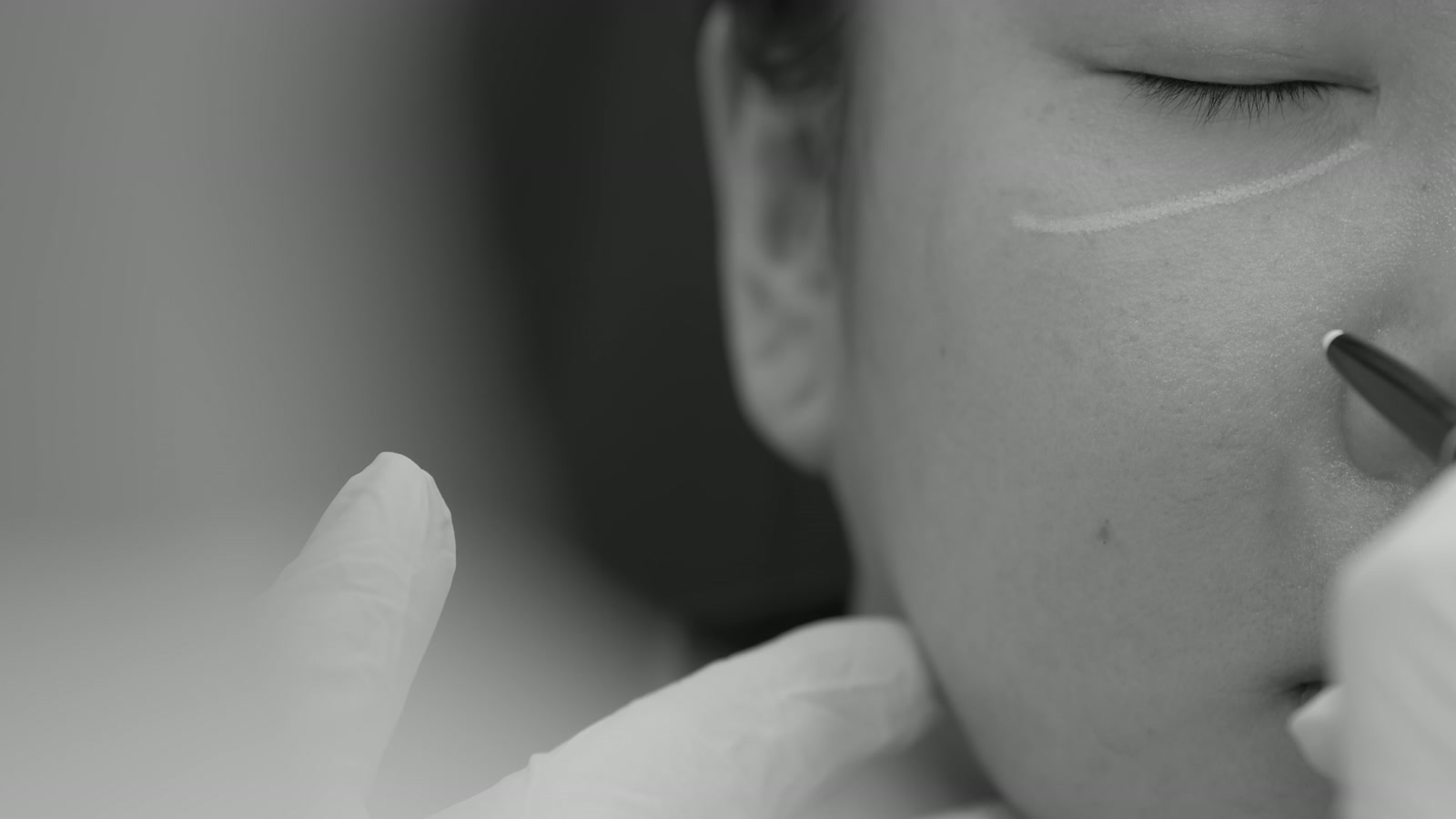
If you are looking for a clinic that does filler well, ask three things: where will you inject, at what depth, and why in that order? If you receive answers to all three, that can be a suitable place to receive treatment.
Related article: Nasolabial fold filler: Is more better? Why a doctor advises against it Related treatment information: Filler


